


Your plan is waiting in Koatch
Log in, then use the plan’s Print / PDF button to get your complete training notebook.
Create my Koatch accounthttps://koat.ch/Login?returnTo=%2FResources%2Fen&mode=register
A little clarity. A step forward.
Find your pace, plan your splits and understand your training targets. Try the tools freely, then keep what helps in your Koatch account.
A tool, plan or guide — try “half 1:45”.
Arrow keys to choose, Enter to open, Escape to close.Choose what you want to understand

Pace, speed, time and distance
Two inputs are enough. Find your pace, finish time or running distance.
Open tool
Race splits
See your splits from start to finish without mental arithmetic.
Open tool
Estimate a finish time
Use a recent performance to explore other distances.
Open tool
Training paces
Turn maximal aerobic speed into clear targets for different efforts.
Open tool
Build an interval session
See where each minute goes: effort, recovery, warm-up and cool-down.
Open tool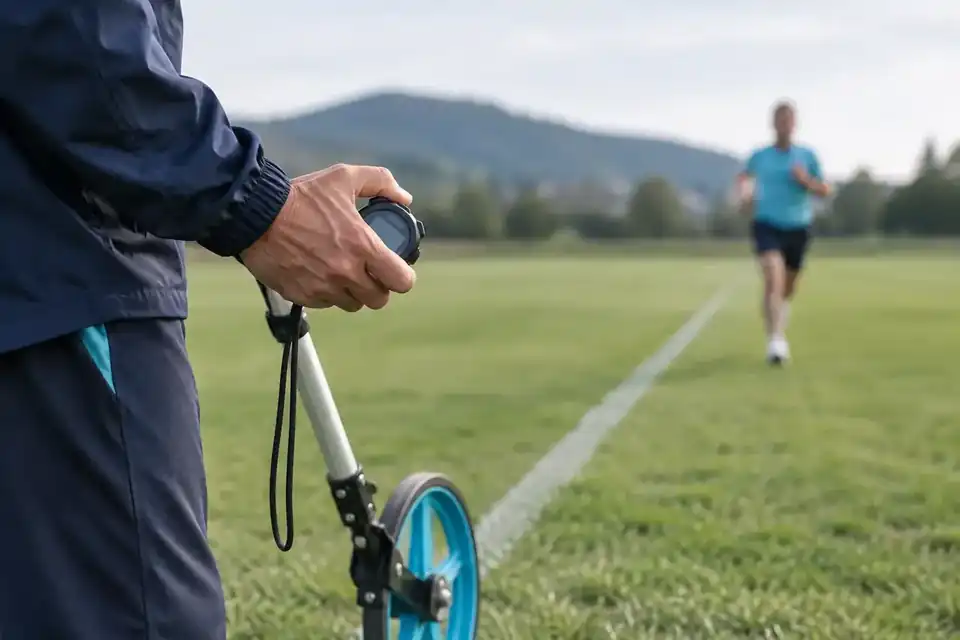
Calculate MAS after a field test
A field result, a speed reference. Find your estimate and explore what it means for your training paces.
Open tool
Calculate my heart rate zones
One reference heart rate, clear ranges. Compare the methods before focusing on the beats.
Open tool
My goal by this date
A finish time, a date, your available days. See the time ahead and compare programme requirements.
Open tool
Your sweat test journal
Two weigh-ins, one run, a personal reference. Estimate losses during this test and keep its conditions for comparison.
Open tool
Plan my race fuel
Choose what to carry. See your food schedule, drink carbohydrates and scenario total.
Open tool
Plan my trail checkpoints
Read the elevation, choose a finish time and compare checkpoint times with stops. Use a GPX or a Koatch race profile.
Open tool
After my race: plan the return
Your race, how you feel and your next check-in. Understand the steps without turning a deadline into clearance.
Open tool
What should I wear for today’s run?
Your weather, your run, your checklist. A few choices help you pack without gambling on layers.
Open tool
Find my next small action
You don’t need perfect motivation. Choose what matters to you and keep one action that fits your real week.
Open tool
Understand and track my VO₂max
One number, several origins. Identify what was measured or estimated and keep comparable reference points.
Open tool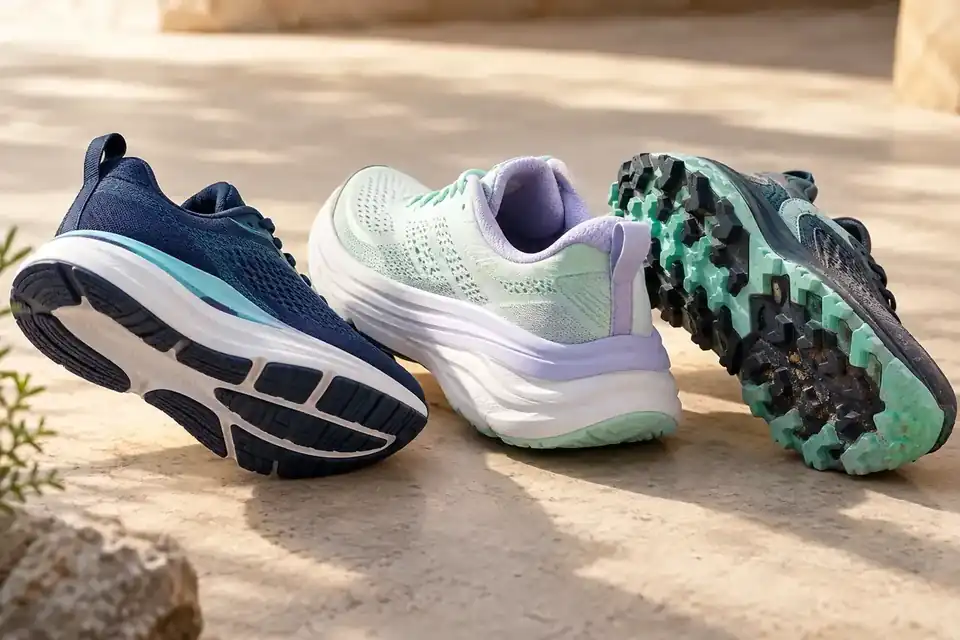
Which shoes for your next run?
Your terrain, your use, your feel. Start with the pairs you already own.
Open tool
A practical question. Useful ideas to understand and something to try.

Stretching before or after running: choose a movement with a purpose
Static, dynamic, mobility and soreness: untangle conflicting advice and prepare your next run without an imposed ritual.
Read and try →
Running hydration: what to drink, when and why
Water, electrolytes and sports drinks: understand what you prepare and what a sweat observation can actually tell you.
Read and try →
Running gels and fuelling: prepare your gut as well as your bag
Understand grams per hour, count drinks too and organise digestive rehearsals before race day.
Read and try →
What to eat after running: ideas that make it from screen to plate
Meals, snacks, protein and drinks: plan your return without chasing the perfect shake.
Read and try →
Running again after a break: start from today, not your old race time
A missed run, a week off or several months away: see what has changed before restarting the plan.
Read and try →
Side stitch while running: what to do now and record for next time
Stop, change your breathing or rethink a meal? Useful guidance without a miracle fix.
Read and try →
Running in hot weather: rethink the time, effort and route
The thermometer cannot describe your whole run. Plan conditions, drink access and a way back before defending your pace.
Read and try →
Sore muscles after running: understand the feeling and plan what comes next
Do the stairs remind you of your run? Understand DOMS, what stretching can offer and which observations help before your next session.
Read and try →
Shin pain when running: when to stop and what to prepare for an appointment
Shin splints, MTSS, stress fracture: understand the words without self-diagnosing and prepare useful information for a professional.
Read and try →
Achilles pain when running: understand the signs and prepare your next steps
Tendinopathy, insertion, rupture: useful words, situations that need assessment and questions to ask before returning.
Read and try →
Sleep and running: make room for your run and your night
Short nights, early alarms, watches and naps: understand the context and organise training around real life.
Read and try →
Running cadence: do you really need 180 steps per minute?
Steps per minute, pace and step length: understand your numbers without turning every easy run into a metronome contest.
Read and try →
Running at night: see the ground, be seen and plan your run
Headlamp, reflective details, route and a way home: prepare your run when the sun has already clocked off.
Read and try →
Half marathon training plan: which one fits you?
First half or a time goal? Compare starting requirements, running frequency and the opening week before choosing your 21.1K plan.
Read and try →
Running intervals: understand and build your session
30/30s, 400 m, threshold, fartlek… Decode formats, paces and recoveries, then explore a session minute by minute.
Read and try →
10K training plan: choose your goal and preparation
First 10K, under an hour or a new personal best? Compare thirteen models, three to six runs and the full first week.
Read and try →
5K training plan: first finish or a new personal best?
Run/walk, your first 5K or a faster finish: compare nine programmes, their starting requirements and three to six weekly runs.
Read and try →
Marathon training plan: choose a build that fits your life
First marathon or a three-to-six-hour goal: compare twelve programmes, four to six weekly runs and an actual detailed week.
Read and try →
Running training load: progress without chasing mileage
Weekly volume, long runs, intensity and recovery: read the whole week before adding more.
Read and try →
Race day: prepare your start, not a treasure hunt
Bib, journey, bag, start corral and return: a practical checklist for your first race and the next one.
Read and try →
Managing race pace from the start to the finish
Starts, splits, hills, GPS and pacers: prepare useful checkpoints and understand what your time actually tells you.
Read and try →
Starting trail running: read the terrain before choosing a plan
Climbs, descents, ascent and poles: understand your first references and explore sixteen programmes from 12 to 50 km.
Read and try →
Long runs: prepare the effort, not just the kilometres
Duration, pace, stops, route and fuelling: useful reference points for your longest run of the week.
Read and try →
Tapering before a race: ease the load, keep your bearings
Volume, intensity, the final long run and race week: understand what changes before the start, with the closing weeks of Koatch plans.
Read and try →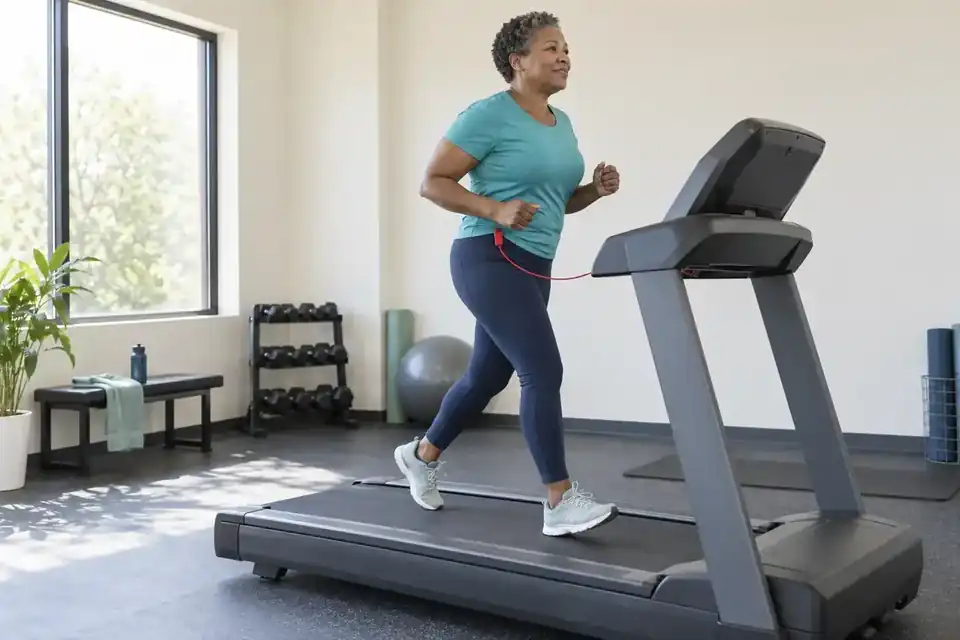
Treadmill running: set up the session, not just the speed
Convert km/h to pace, understand the 1% incline claim and keep your indoor session purposeful.
Read and try →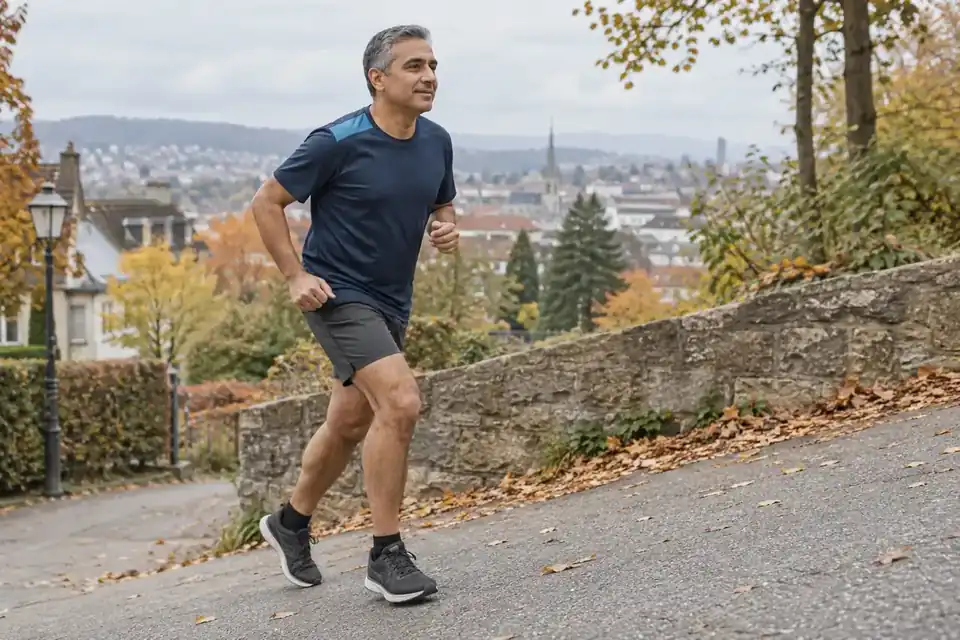
Hill sessions: understand effort, the descent and elevation gain
Short repeats, sustained climbs or rolling routes: read the purpose before counting repetitions. Try a changeable example for time and ascent.
Read and try →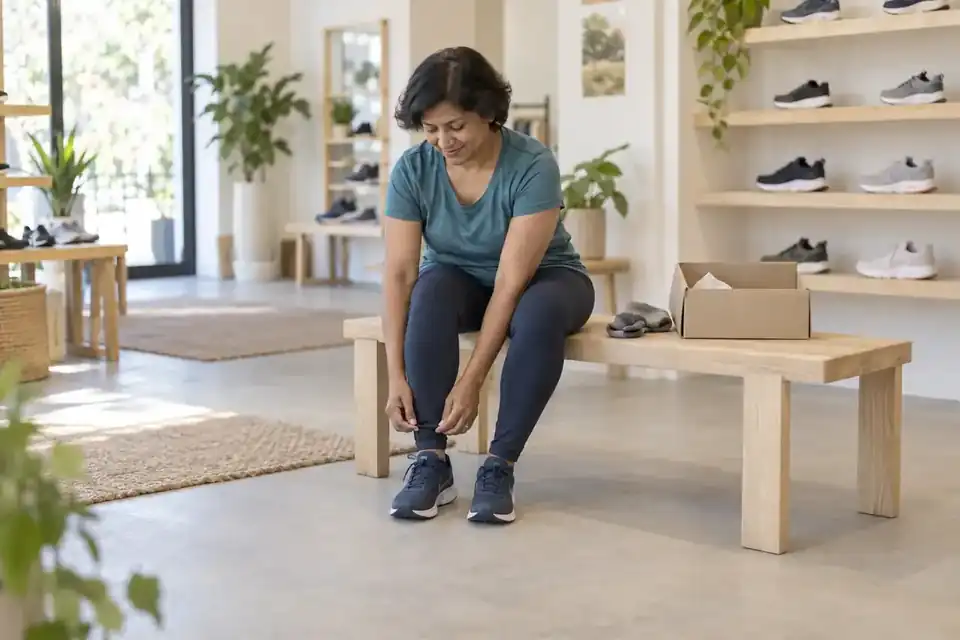
Choosing running shoes: terrain, the try-on and useful questions
Size, width, drop, carbon plates and wear: sort out what matters for your run. Prepare two criteria, then compare with what you actually feel.
Read and try →
Cross-training: where do cycling, swimming and strength fit?
Vary your activities without accidentally signing up for a triathlon. Choose a purpose, separate adding from replacing and look at your whole calendar.
Read and try →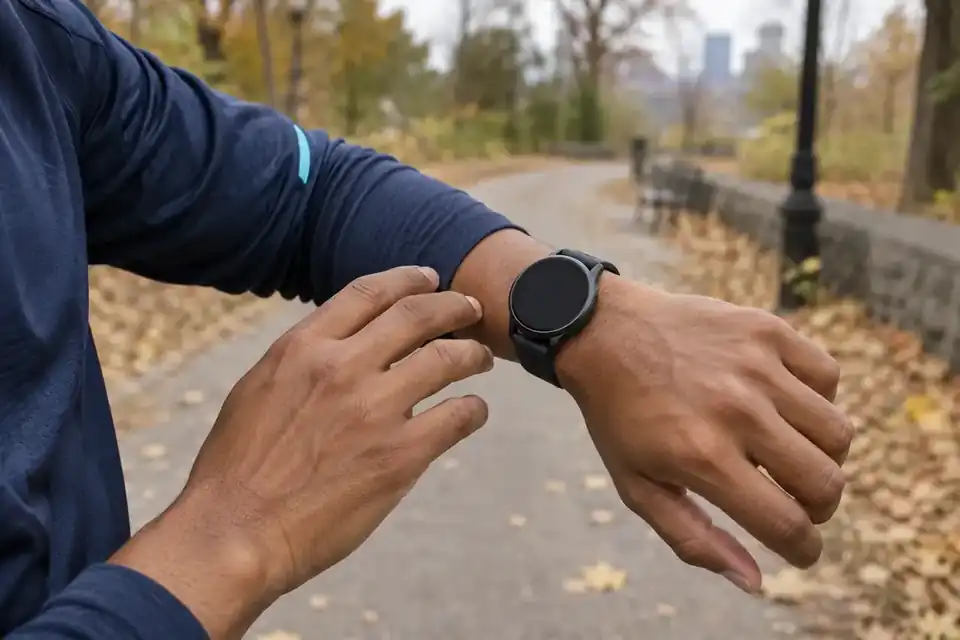
Heart rate while running: understand the numbers without chasing them
A rising pulse, a hesitant watch, changing zones: learn what each piece of information can tell you.
Read and try →
Start running: make the first goal wanting to come back
Run-walk sessions, pace and progression: build a beginning you can repeat.
Read and try →
Easy running: how do you find your comfortable pace?
Breathing, conversation and heart-rate zones without chasing one magic number.
Read and try →
Improve your 10K: choose a direction, not a miracle workout
A useful baseline, a realistic target and sessions with different jobs.
Read and try →
What to eat before running: prepare your stomach too
Breakfast, snacks and early starts: organise familiar food around the run.
Read and try →
Running for weight loss: what it can actually contribute
Understand running’s role without kilogram promises, punishment workouts or improvised diets.
Read and try →
Knee pain while running: what to do and when to seek help
Respond and prepare a useful consultation without diagnosing yourself online.
Read and try →
How to breathe while running: listen to your effort first
Breathlessness, nose or mouth, counting steps: practical guidance without a magic formula.
Read and try →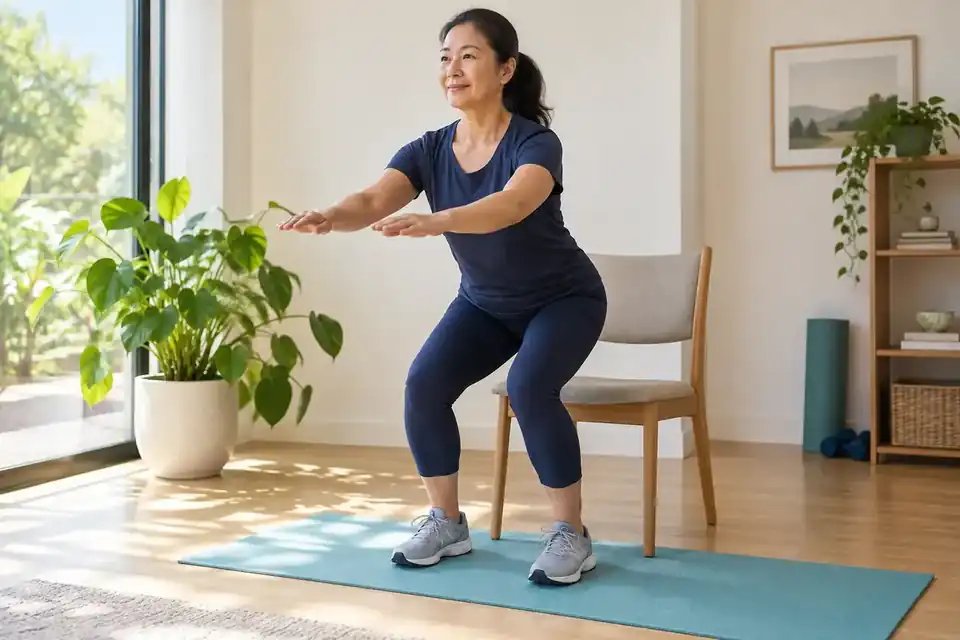
Strength training for runners: build more than mileage
Understand useful movements and make strength fit around your runs.
Read and try →
How often should you run? Build a rhythm you can keep
Two, three or four runs: choose a frequency that leaves room for recovery and everyday life.
Read and try →
Warm up before running: let your body catch up with your watch
Prepare for the session without turning the warm-up into another workout.
Read and try →
Running glossary: 72 terms and abbreviations, with examples
Easy pace, MAS, HMP, elevation gain, fartlek… Understand your plan with plain definitions, practical examples and illustrated scenes.
Read and try →
Running in winter: make a plan for cold, ice and dark evenings
Clothing, route, darkness and training: practical choices for enjoyable winter running.
Read and try →Running in the rain: prepare for a run, not an expedition
Choose your clothing and session around the conditions and how long you will be outside.
Read and try →After your race: plan what comes next at your own pace
Reflect on your race and how you feel before planning your next steps, without a one-size-fits-all recovery timetable.
Read and try →Busy week? Make room for running, not guilt
Start with the time you actually have and reorganise your week without cramming in missed sessions.
Read and try →